TES APPLICATIONS
Application pathways for TES pilots.
TES pilots follow baseline → intervention → review using condenser indicators (TR, TTD, vacuum) with traceable dosing records.
This is how the TES system is applied in practice.
Condenser Efficiency
for Power Generation.
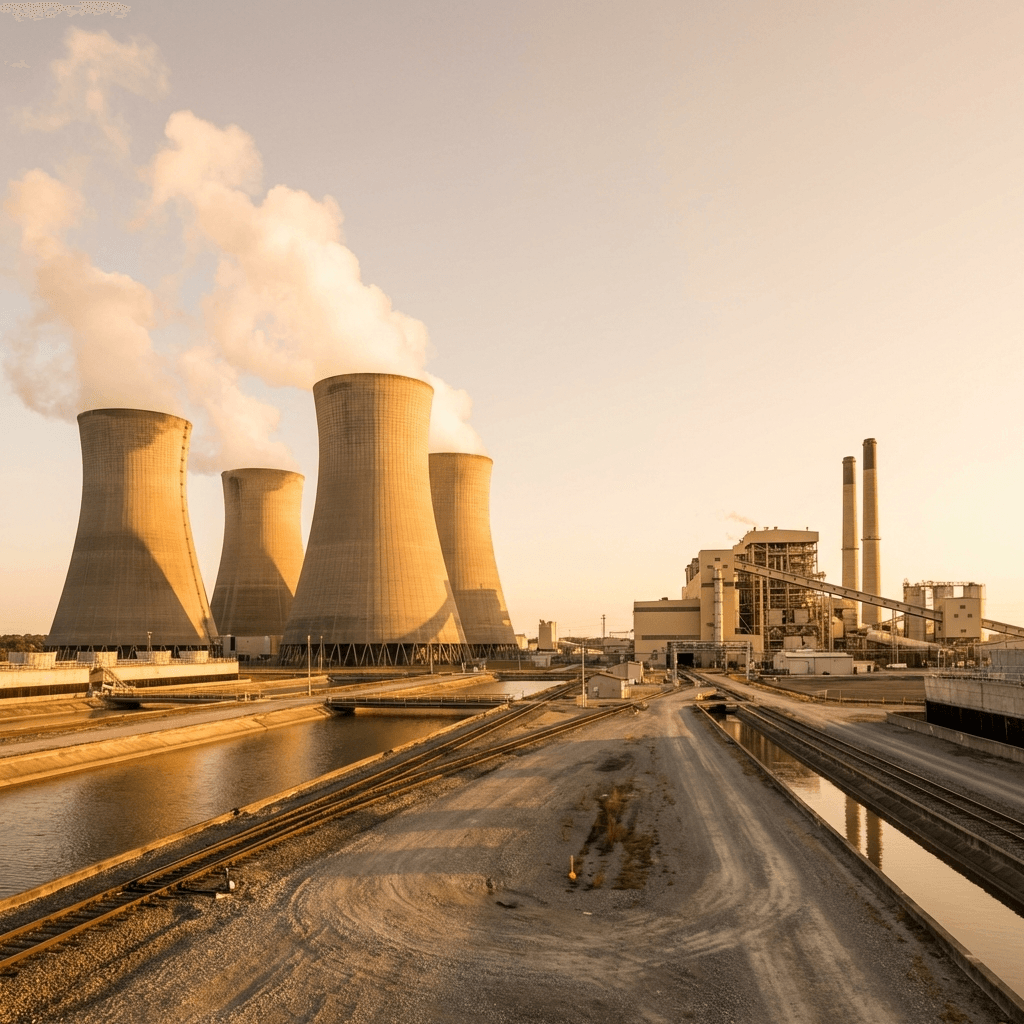
At wet-cooled stations, TES focuses on the condenser as a critical performance node. We restore MW output lost to back-pressure decay by maintaining a clean, film-protected surface.
Vacuum Recovery
Restore design kPa and heat transfer rates.
Station Fitment
Ideally suited for Tutuka, Matla, Kriel, and Kendal units.
Cooling Tower Preservation
& Asset Integrity.
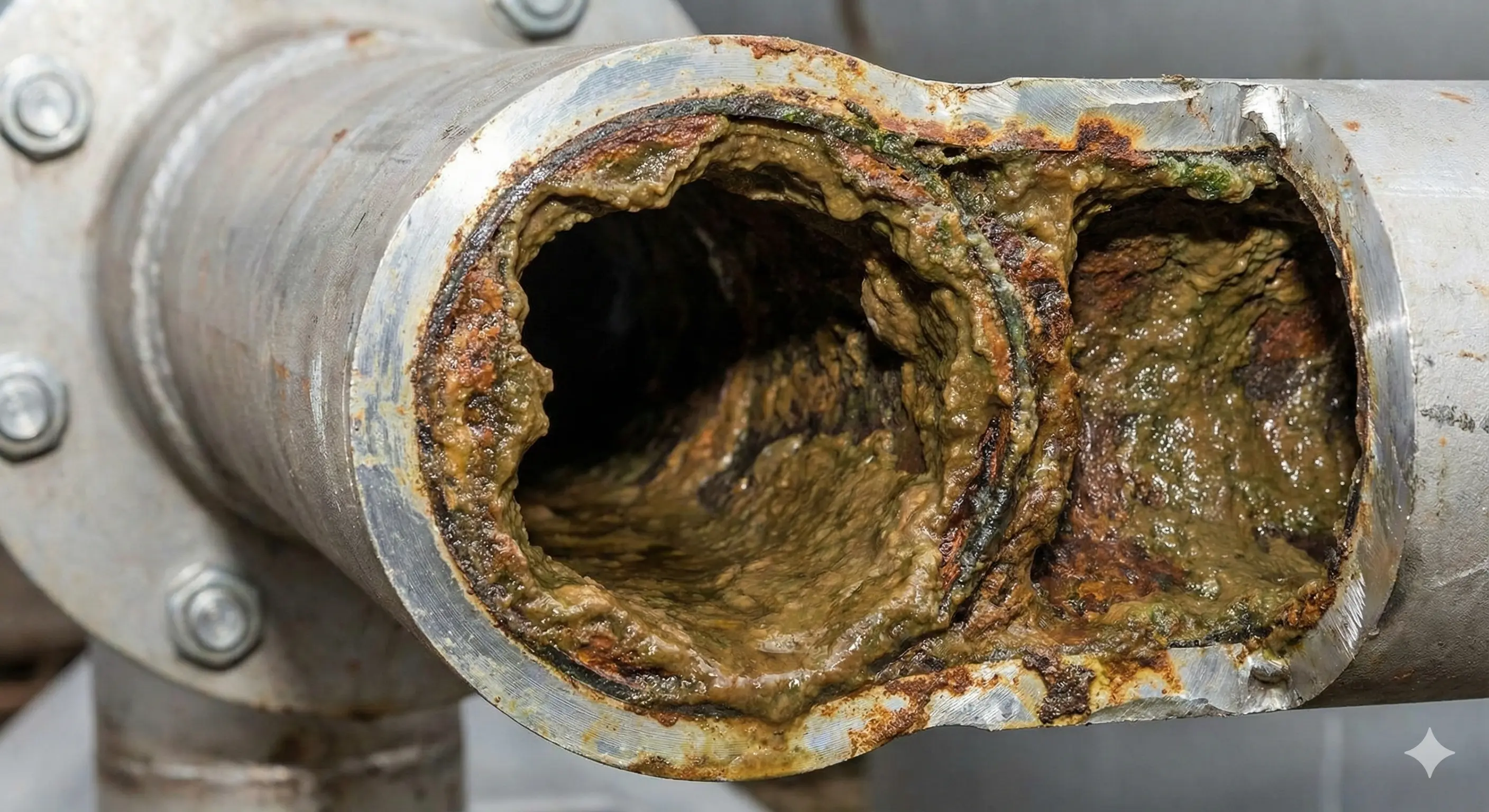
Outside the utility sector, cooling towers are critical production assets. TES prevents structural collapse and airflow restriction by stoping bio-mass accumulation in the fill pack.
Structural Protection
Prevent fill collapse and weight gain risks.
Heavy Industry Focus
Designed for mines, refineries, and petrochemical plants.
The same four TES building blocks, applied to different sites.
Regardless of site, TES is always built from the same elements: Mexel®432, IoT-enabled dosing, a cooling-water performance view and a verification framework. The application details change by station or plant.
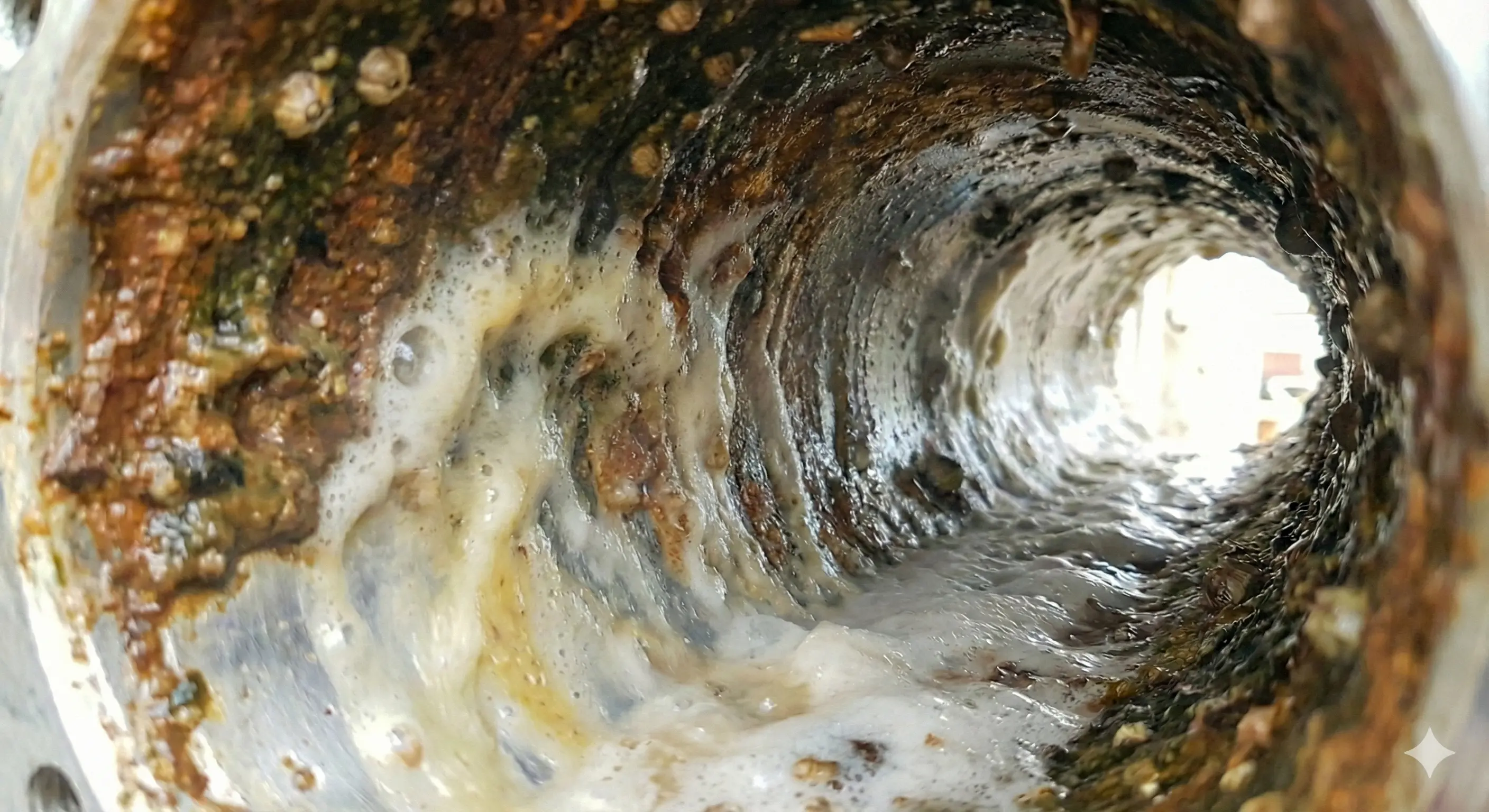
Mexel®432 chemistry
Applied to once-through and recirculating systems using river, dam, mine or seawater. Focused on biofouling, corrosion, scaling and solids dispersion at the cold end.

TES dosing skid (Thingy:91X)
IoT-enabled dosing units sized for station or plant circuits, with level sensing, logging and remote configuration for transparent dosing records.
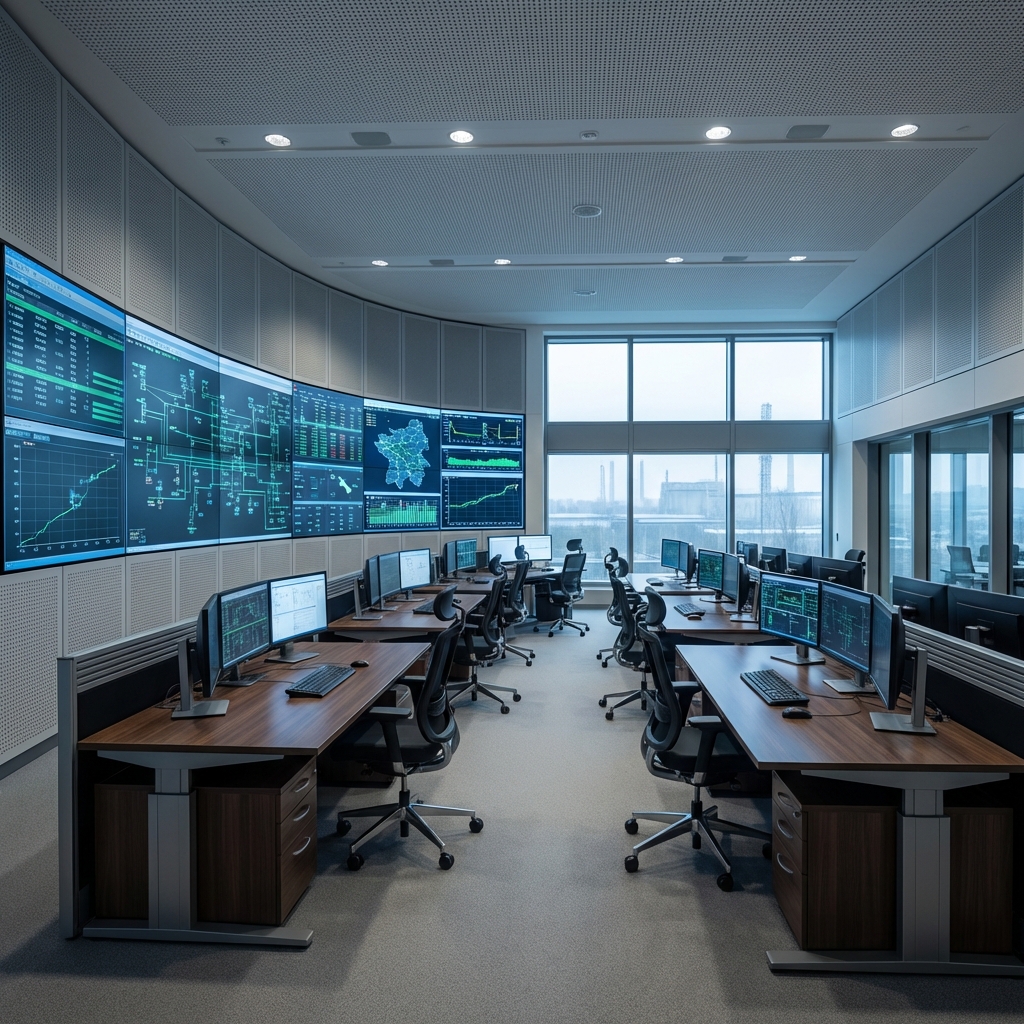
Cooling-water data view
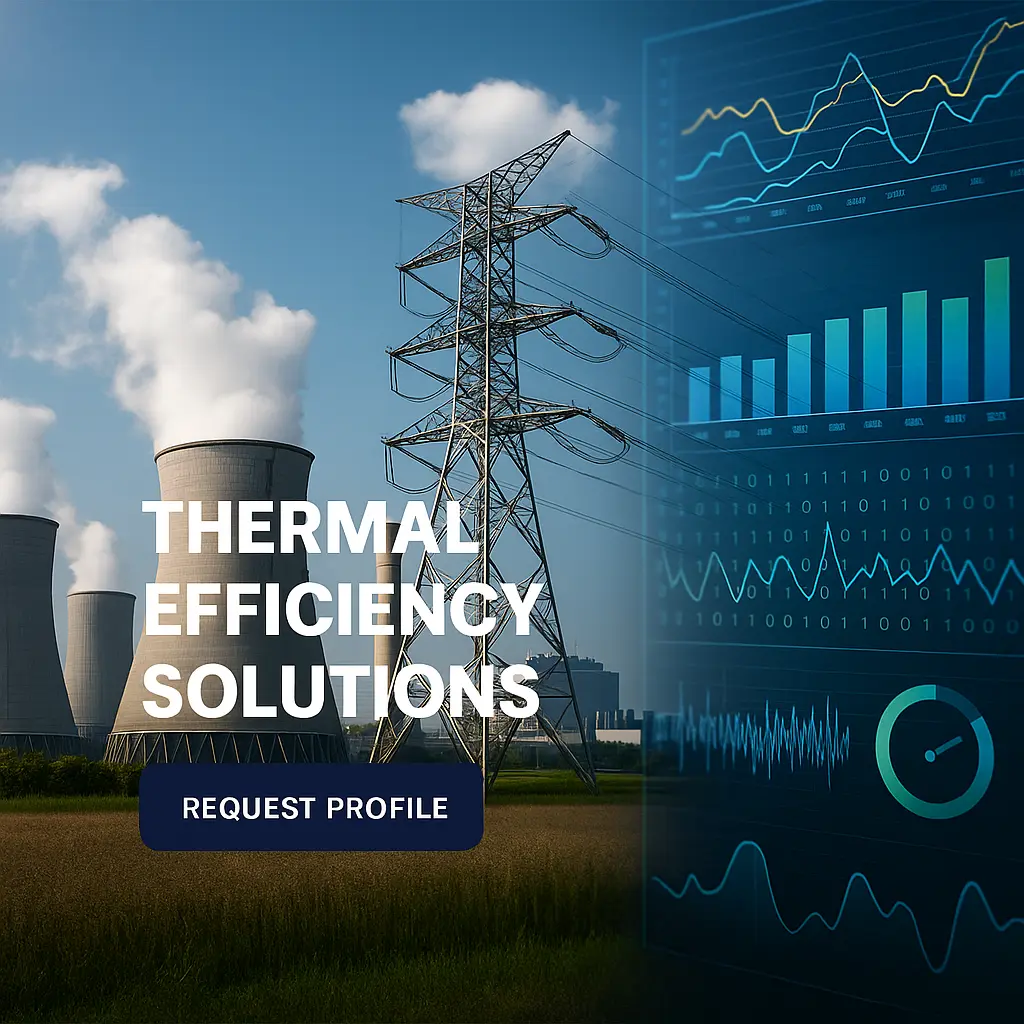
Simple dashboards linking dosing history with TR, TTD, vacuum and other key indicators, tailored for each station or industrial plant.
Verification framework
Built on ASME PTC 12.2 methodology for stations, and adapted to industrial sites with clear baselines, interventions and reviews.
Example TES pilot structures
Eskom wet-cooled unit pilot
- • Select one unit and associated cooling-water circuits.
- • Define KPIs: TR, TTD, vacuum stability, key chemistry parameters.
- • Collect baseline data using RT&D protocol structure.
- • Install TES dosing skid and start Mexel®432 treatment.
- • Monitor performance and compare to baseline.
- • Optional: WRC or other body as independent referee.
Industrial cooling-water pilot
- • Identify the most critical cooling-water loop or exchanger bank.
- • Agree on metrics: heat-exchanger performance, downtime, cleaning frequency.
- • Establish a realistic baseline period.
- • Apply Mexel®432 via a TES dosing skid under controlled conditions.
- • Track performance, inspections and cleaning intervals.
- • Decide on extension based on observed technical benefits.
Exploring TES for your station or plant.
We usually start with a short technical discussion: your current cooling-water configuration, constraints and data. From there we can propose a TES pilot that is realistic for your site and aligned with your existing protocols.