Fundamentals
Fouling physics and film formation.
TES stabilises condenser performance by changing surface conditions and controlling fouling behaviour. It does not replace maintenance, and it requires baseline discipline to verify outcomes.
Why fouling matters in wet-cooled systems
Biofilm, mud, and suspended solids build a thermal barrier. The result is unstable heat transfer and noisy TR/TTD signals that obscure real performance trends. TES aims to stabilise that surface condition so changes become measurable.
Film formation mechanism
- Forms a thin hydrophobic layer on metal and polymer surfaces.
- Reduces adhesion of new biofilm and suspended solids.
- Stabilises heat-transfer conditions when operating inputs remain steady.
Verification discipline
- Baseline, intervention, and review phases must be defined.
- Instrumentation and load stability are non-negotiable.
- TES stabilises, but does not override mechanical limits.
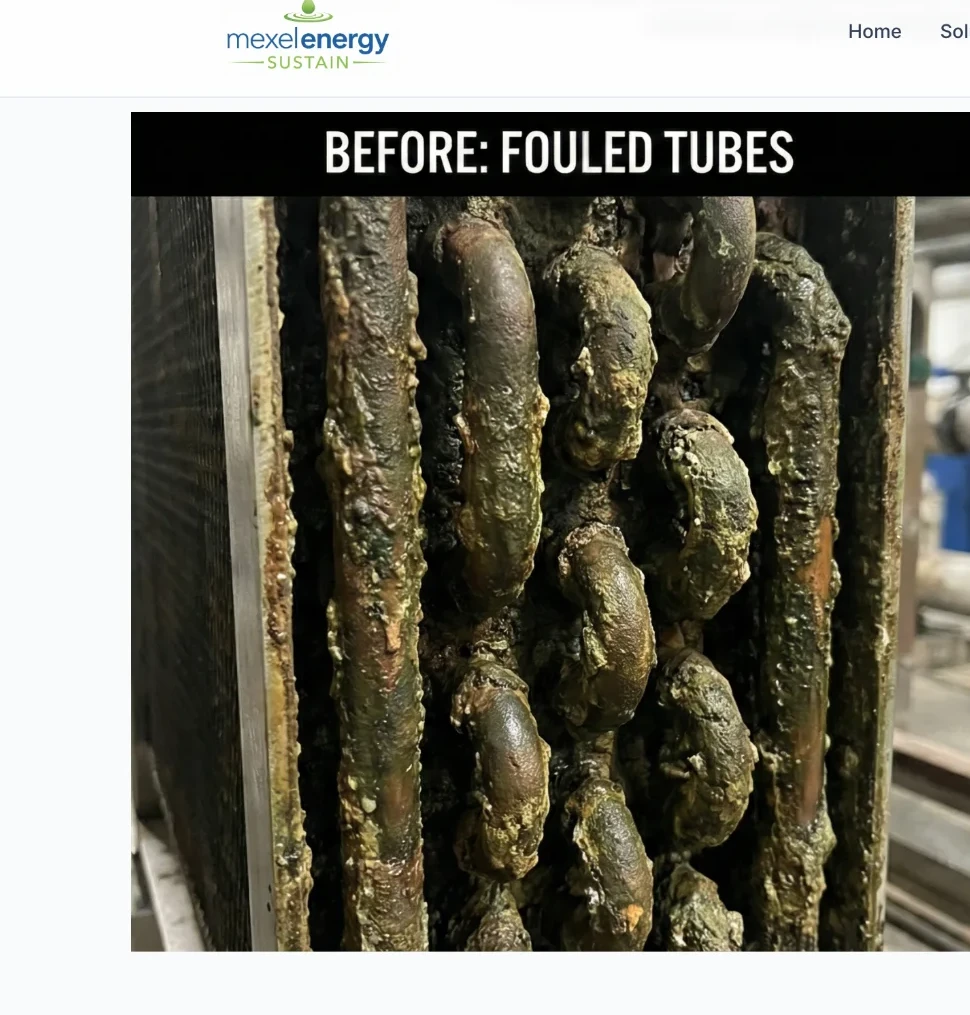
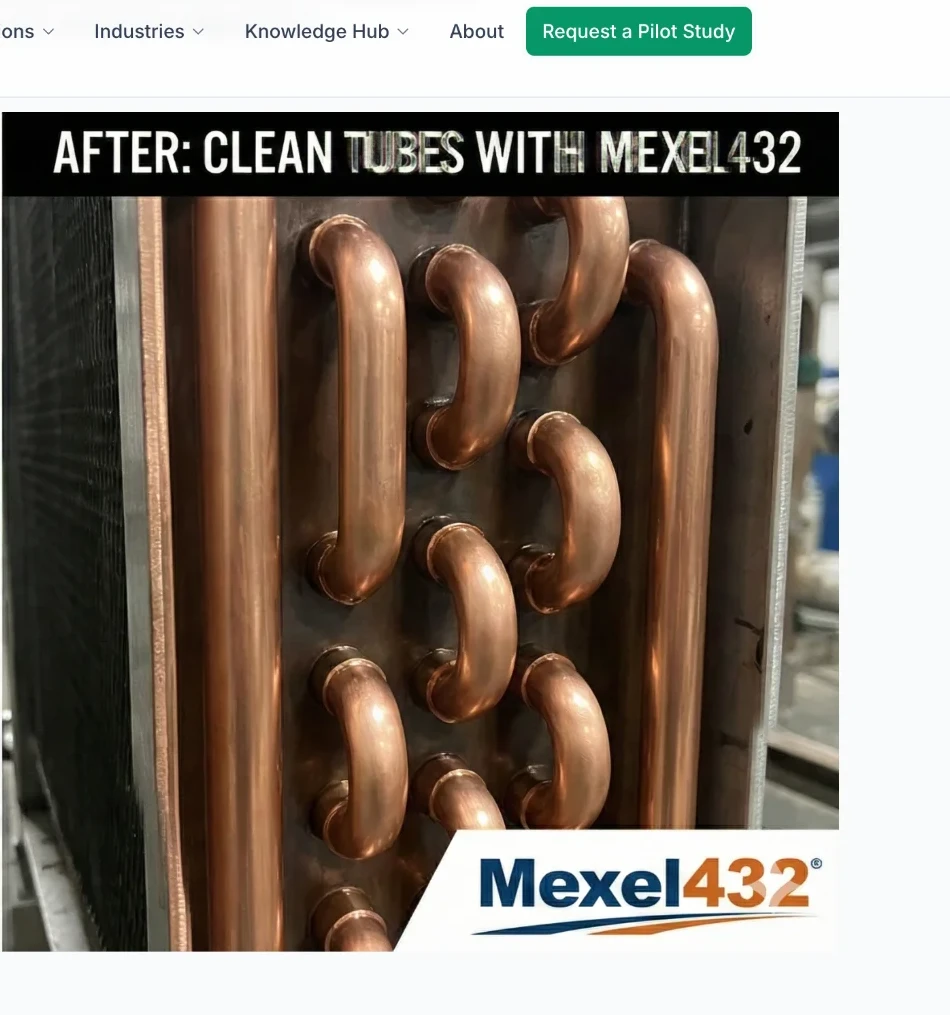
Visual reference: surface condition shift
These images illustrate the qualitative change in surface condition before and after stabilisation. Captions are intentionally conservative and do not include station identifiers or performance metrics.
System context
TES performance is tied to cooling-water circulation, tower behaviour, and condenser instrumentation. A system view keeps interpretation honest.